A Comprehensive Overview to the Methods Utilized in Aluminum Foundry Workflow
Aluminum Foundry operations utilize numerous casting strategies, each with distinctive procedures and applications. Comprehending these techniques is crucial for maximizing manufacturing and attaining wanted product residential or commercial properties. From sand casting to die casting, the choices available can substantially impact performance and price. As modern technology advances, so too do these methods, triggering a more detailed exam of their restrictions and benefits. The effects of these growths warrant further exploration.
Overview of Aluminum Spreading Techniques
Aluminum casting strategies include a range of techniques used to form liquified Aluminum into wanted types. These techniques are crucial in the manufacturing and engineering sectors, supplying adaptability and efficiency. Major strategies include pass away casting, which employs high-pressure to infuse Aluminum right into molds for accuracy parts, and gravity spreading, where molten Aluminum is poured right into molds under the impact of gravity, enabling for bigger, less intricate shapes. Financial investment casting, another approach, entails creating a wax pattern covered in ceramic, providing high dimensional accuracy for intricate layouts. Additionally, irreversible mold spreading utilizes multiple-use molds, boosting production effectiveness and minimizing waste. Each technique provides to details applications, balancing factors such as expense, manufacturing volume, and material residential properties. As markets develop, innovations in these casting methods continue to enhance the high quality and efficiency of Aluminum components, positioning them as crucial processes within modern-day manufacturing.
Sand Casting: Refine and Applications
Sand spreading is an extensively used technique in the Foundry sector, recognized for its simpleness and adaptability. Aluminum Foundry. This procedure involves creating a mold from a mix of sand and a bonding agent, generally clay. The mold and mildew is developed around a pattern, which is a reproduction of the wanted end product. When the mold and mildew is prepared, molten Aluminum is poured right into the cavity, allowing it to solidify right into the wanted shape
One of the primary advantages of sand casting is its capacity to produce big elements and complicated geometries, making it appropriate for different applications, including automobile parts, machinery parts, and attractive things. In addition, sand spreading can fit various Aluminum alloys, improving its versatility. The procedure is cost-effective for reduced to medium production runs, as it does not require pricey tooling. On the whole, sand spreading remains a fundamental strategy in Aluminum Foundry procedures because of its effectiveness in meeting diverse manufacturing demands.
Die Spreading: Advantages and Limitations
While die casting is typically compared to sand spreading, it uses distinctive benefits and restrictions that make it suitable for details applications in the Aluminum Foundry market. One considerable advantage of die spreading is its capability to produce intricate forms with high dimensional precision and outstanding surface area finish. This procedure is especially advantageous for automation, as it permits faster cycle times and decreased labor prices. Furthermore, die casting lessens material waste, boosting total efficiency.
Pass away casting additionally has restrictions. The initial tooling expenses are relatively high, making it less viable for tiny production runs. In addition, the process is finest suited for steels with reduced melting points, which can limit product choices. Pass away casting is additionally restricted regarding the maximum size of the parts generated, as larger elements might need different methods. Balancing these aspects is important for identifying the appropriate application of die casting in the Aluminum Foundry field.
Financial Investment Spreading: Precision and Detail
Investment casting is an extremely specific manufacturing process that permits for detailed layouts and great information in Aluminum components. This technique provides considerable benefits, consisting of enhanced dimensional precision and lowered machining requirements. Its applications span different markets, highlighting its adaptability and performance in generating complicated components.
Refine Introduction
The financial investment casting procedure is renowned for its capability to create high-precision components and elaborate shapes. This technique begins with developing a wax pattern, which is then coated with a ceramic shell. As soon as the covering sets, the wax is disappeared, leaving a precise cavity for the liquified steel. The Aluminum is poured into this cavity, recording the great information of the initial pattern. After cooling down, the ceramic covering is broken away, revealing the cast part. Any kind of essential ending up job, such as machining or surface treatment, is executed to accomplish the preferred specs. This process is especially beneficial for complex geometries that are difficult to attain through conventional casting strategies, making sure both quality and accuracy in the end product.
Benefits of Precision
Accuracy in investment spreading uses significant benefits, making it a favored selection for manufacturing intricate elements. This strategy allows the manufacturing of intricate forms with tight tolerances, decreasing the demand for substantial machining and minimizing product waste. The ability to accomplish high dimensional precision translates to a premium fit and finish, boosting the overall quality of the last product. In addition, investment spreading permits the unification of great details, which is necessary for components calling for intricate styles. The process likewise sustains using different Aluminum alloys, further increasing its applicability. On the whole, the precision used by financial investment casting not only boosts the visual and useful features of elements yet additionally adds to enhanced performance in production cycles.
Applications in Market
While several making processes exist, investment casting sticks out for its adaptability throughout numerous industries, especially in fields requiring high accuracy and detailed components. This spreading technique is extensively made use of in aerospace, auto, and medical fields, where elaborate styles and tight tolerances are essential. As an example, aerospace components take advantage of financial investment spreading's capacity to generate complex geometries that lower weight without giving up structural honesty. Likewise, the automobile industry uses this strategy to make engine components that need longevity and accuracy. In the clinical market, investment casting makes it possible for the manufacturing of medical tools and implants that need to meet rigorous quality criteria. Generally, investment spreading substantially boosts item performance and integrity, making it a very useful method in modern production applications.
Comparison of Casting Approaches
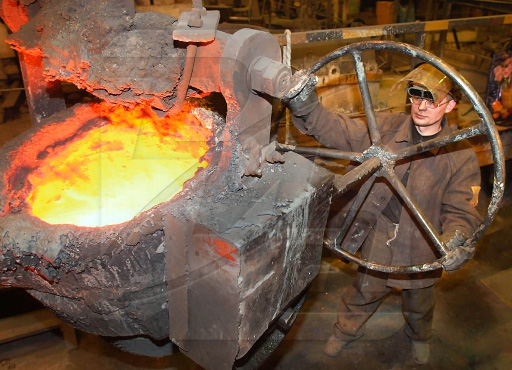 The comparison of casting methods exposes distinctive advantages and applications throughout various strategies - Aluminum Foundry. Sand spreading is typically celebrated for its versatility and cost-effectiveness, while die spreading is acknowledged for its performance and accuracy in generating high quantities. Investment spreading, previously discussed, showcases its unique capacity to develop detailed designs, even more stressing the varied capabilities of each technique in Aluminum Foundry operations
Sand Casting Advantages
Sand casting uses a number of advantages when contrasted to other casting approaches, making it a preferred option in numerous manufacturing applications. One of the main advantages is its affordable, as the materials needed, such as sand and steel, are conveniently available and inexpensive. Furthermore, click for source sand casting enables better layout adaptability, allowing the manufacturing of intricate forms and huge parts that might be challenging to achieve with other techniques. The process also suits a wide variety of metal alloys, including Aluminum, enhancing its flexibility. Furthermore, sand molds can be quickly fixed or customized for subsequent casts, making it efficient for both small and large manufacturing runs. Overall, these advantages add to sand spreading's popularity in the Foundry market.
Pass Away Spreading Techniques
Pass away casting techniques stand apart as a highly reliable approach for creating metal components, specifically when compared to typical spreading techniques like sand casting. This procedure includes requiring molten Aluminum into a mold and mildew under high pressure, resulting in specific measurements and a smooth surface finish. Unlike sand casting, which needs extensive finishing work, die casting minimizes post-production processing, enhancing general productivity. In addition, pass away casting can accommodate complex geometries, permitting for complex layouts that would be testing to accomplish with various other techniques. The rate of manufacturing is another benefit; pass away spreading can produce large quantities of parts in a much shorter timeframe. In general, the mix of performance, design, and accuracy flexibility makes pass away casting a preferred selection in modern-day Aluminum Foundry operations.
Financial Investment Spreading Applications
Financial investment casting, usually described as lost-wax spreading, offers distinctive benefits over various other casting methods, specifically with respect to accuracy and surface area coating. This technique enables the development of intricate forms and great details that are challenging to achieve with sand or pass away spreading. In addition, investment spreading produces elements with remarkable dimensional accuracy, decreasing the demand for considerable machining. Its flexibility makes it ideal for various sectors, including aerospace, automobile, and medical tools, where premium components are vital. Contrasted to pass away spreading, which can be limited by mold and mildew complexity, financial investment casting masters producing complicated geometries without jeopardizing architectural honesty. Subsequently, the option of financial investment casting comes to be increasingly desirable for applications demanding high performance and reliability.
Top Quality Control in Aluminum Foundry Procedures
Exactly how can Aluminum foundries guarantee the finest quality in their products? Carrying out rigorous quality assurance procedures is vital. Foundries typically start by developing clear specifications for the Aluminum alloys made use of, ensuring they fulfill market criteria. Constant surveillance throughout the melting and pouring processes helps recognize any kind of inconsistencies from desired chemical compositions.
Furthermore, visual inspections and non-destructive screening methods, such as ultrasonic or X-ray exams, are generally employed to detect internal flaws or disparities in spreadings. Furthermore, analytical process control techniques track production data, permitting for very early recognition of prospective problems.
Routine training and certification of personnel in high quality assurance practices are essential for keeping high requirements. Implementing responses loops from consumers can aid foundries improve their procedures and improve item quality. By adhering to these techniques, Aluminum factories can constantly supply high-quality products that surpass or satisfy customer expectations.
Future Trends in Aluminum Casting Technology
Innovations in Aluminum spreading technology are poised to reshape the market landscape, building upon recognized quality assurance practices. Advancements such as additive manufacturing and wise Foundry services are emerging, allowing boosted layout flexibility and decreased waste. The integration of fabricated intelligence and maker understanding in procedure monitoring permits for real-time official website changes, enhancing efficiency and product top quality.
Sustainability remains a vital focus, with an emphasis on reusing scrap Aluminum and reducing power intake. Advanced alloy solutions are being developed to maximize efficiency while find this lessening ecological influence. The fostering of automated systems, consisting of robotics for taking care of and putting, guarantees to enhance office security and accuracy.
Electronic twins are acquiring grip, permitting for virtual simulations that assist in better decision-making and anticipating maintenance. As these trends develop, they will likely produce an extra effective, lasting, and highly progressed Aluminum spreading sector, setting brand-new criteria for high quality and efficiency.
Often Asked Questions
What Precaution Should Be Absorbed Aluminum Foundry Procedures?
In Aluminum Foundry operations, vital precaution include personal protective equipment, correct air flow, regular training, danger analyses, emergency situation preparedness, and adherence to protocols to mitigate threats connected with liquified metal and hefty equipment.
Just How Is Recycled Aluminum Used in Foundry Processes?
Recycled Aluminum is frequently used in Foundry processes to lower environmental impact and manufacturing expenses. It undergoes melting and refining, allowing makers to develop premium items while preserving power and decreasing waste in the Aluminum lifecycle.
What Tools Is Important for Aluminum Casting?
Vital devices for Aluminum spreading includes heating systems for melting, molds for shaping, putting ladles, cooling down systems, and ending up devices. Each element plays an essential duty in making certain the effectiveness and high quality of the casting process.
Just How Do Environmental Laws Effect Aluminum Foundries?
Ecological policies substantially impact Aluminum factories by imposing restrictions on emissions and waste administration. Compliance requires financial investment in cleaner technologies, which can enhance functional expenses but eventually promotes sustainability and minimizes the ecological impact of the industry.

What Are Common Problems in Aluminum Castings and Their Solutions?
Usual defects in Aluminum spreadings include porosity, surface, and contraction flaws. Solutions entail maximizing melt top quality, controlling air conditioning rates, and using appropriate mold design, guaranteeing much better integrity and efficiency of the last cast products.
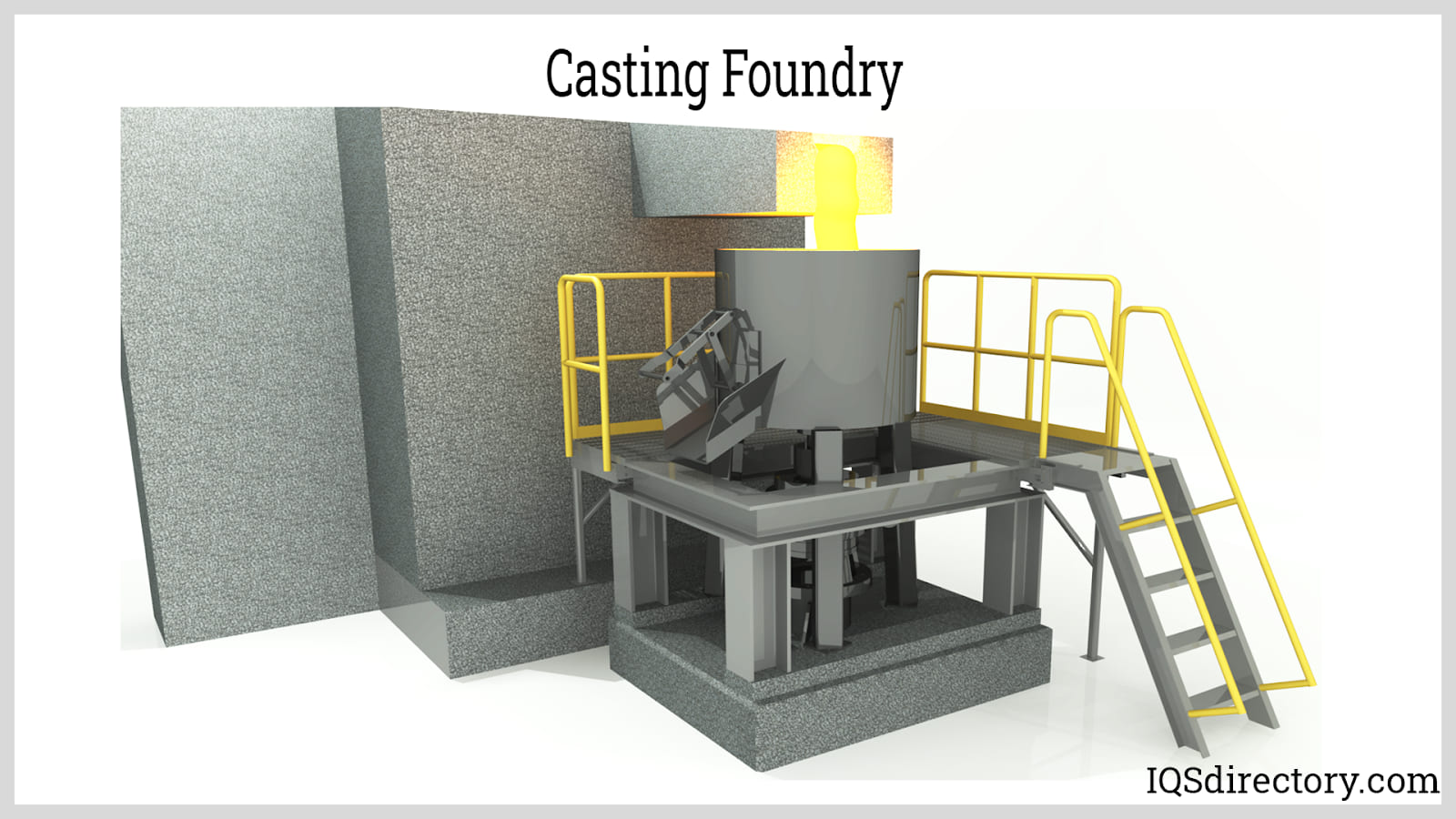 Significant techniques include pass away spreading, which uses high-pressure to inject Aluminum into mold and mildews for accuracy components, and gravity casting, where molten Aluminum is poured into molds under the influence of gravity, permitting for bigger, less complex shapes. While die casting is commonly contrasted to sand spreading, it offers distinct advantages and restrictions that make it appropriate for certain applications in the Aluminum Foundry sector. Sand spreading is often celebrated for its flexibility and cost-effectiveness, while die casting is recognized for its efficiency and precision in generating high quantities. Die spreading methods stand out as an extremely effective technique for creating metal parts, especially when compared to conventional spreading methods like sand casting. Contrasted to pass away spreading, which can be limited by mold intricacy, financial investment casting stands out in producing complex geometries without endangering architectural honesty.
Comments on “Reasons Aluminum Foundry Wisconsin is preferred by many companies in casting”